 Patan Potala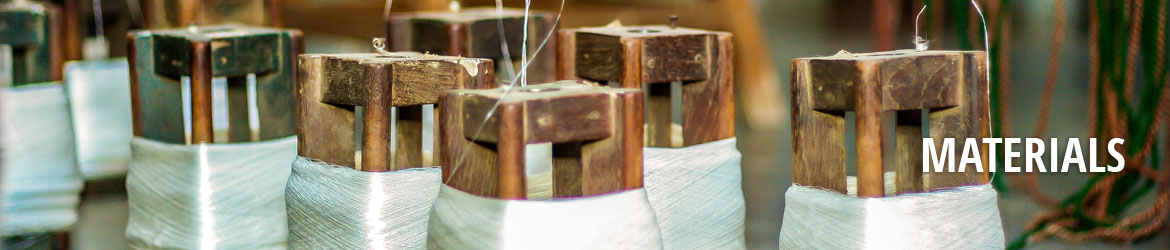
MaterialsTraditionally pure silk and natural dyes were used.Since about last 100 years, tradition had given way to the use of fast to bleach and easy to dye chemical colours (dyes). Therefore the use of natural dyes in Patola is discontinued. But since last twenty years again the importance to use of vegetable dyes became the consideration of its eco-friendliness and to maintain the tradition of old natural dyes in Patola. We have made many experiments and researches in redeveloping the old indigenous process of using vegetable ingredients to obtain different shades which are fast to bleach and sober and pleasing to eyes. Dewelling on the fast colour of the patola, a Gujarat poet wrote; "Padi patole bhat faatey pan phite nahin" meaning the design laid down in the patola may be torn, but it shall never fade.